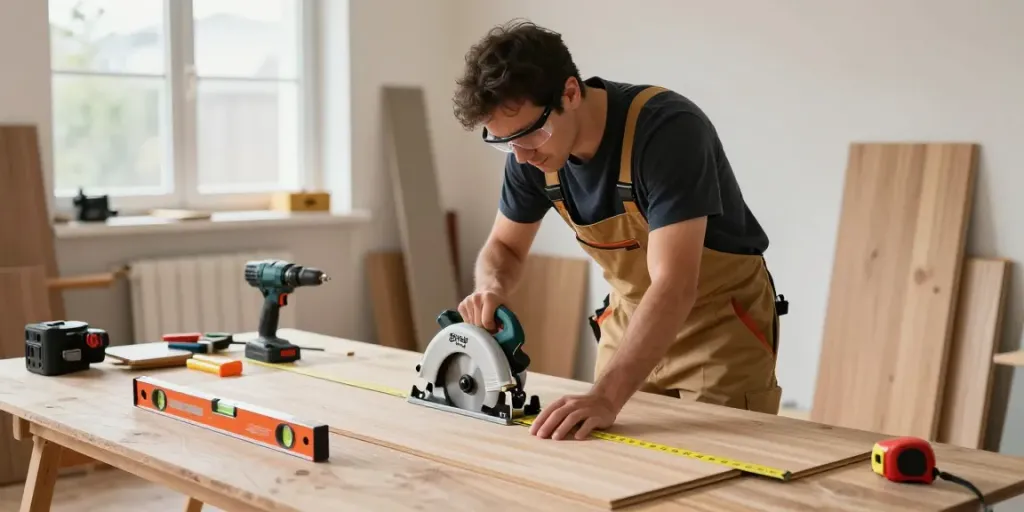
Understanding the Basics of Flooring Installation
When it comes to home renovations, flooring installation stands out as one of the impactful aspects that can dramatically change the appearance and functionality of a space. Whether you're updating your kitchen, renovating your living room, or finishing a basement, understanding the fundamentals of flooring installation is crucial. This article aims to provide a comprehensive guide to the different types of flooring, necessary tools, and essential safety precautions. Additionally, local services like Bygg Norge can assist with expert advice and hands-on help, ensuring your projects are executed to perfection.
Types of Flooring Materials Available
The choice of flooring material is critical, as it influences both the aesthetic appeal and the functional performance of a space. Common types include:
- Hardwood: Offers a timeless look and durability but requires maintenance.
- Laminates: Affordable and mimics wood while being resistant to scratches and moisture.
- Vinyl: Versatile and water-resistant, making it ideal for bathrooms and kitchens.
- Tile: Extremely durable and easy to clean, with options ranging from ceramic to natural stone.
- Carpet: Adds warmth and comfort but may require more care in cleaning.
Tools Required for Successful Installation
Investing in the right tools can make a significant difference in the efficiency and quality of your flooring installation. Essential tools include:
- Measuring tape: For accurate measurements
- Utility knife: For cutting flooring materials
- Level: To ensure the floor is even
- Jigsaw: Useful for intricate cuts
- Hammer and nails or flooring staples: For securing flooring pieces
Safety Precautions When Working with Wood
Safety should always be a top priority during flooring installation. Ensure you:
- Wear safety goggles and a dust mask to protect against debris.
- Use ear protection when operating power tools.
- Ensure your workspace is free from clutter to avoid accidents.
- Follow manufacturer guidelines for installation and tools.
Step-by-Step Guide to Installing Flooring
To achieve a professional finish, follow this step-by-step guide that outlines the key phases of flooring installation.
Preparation and Planning for Your Project
Before any actual work begins, thorough planning is essential. Measure your space accurately and decide on the type of flooring that will suit it best. Create a timeline and gather all necessary materials and tools to avoid delays.
Measuring and Cutting Techniques for Precision
Accurate measurements will determine the success of your flooring project. Use a measuring tape to gauge the length and width of the area you are flooring. Transfer these measurements onto your flooring material, ensuring to account for any cuts needed around edges and corners. A jigsaw or utility knife can help in achieving precise cuts.
Steps to Secure and Finish Your Flooring
Begin by laying the underlayment if required, followed by the flooring planks or tiles. Secure the planks using nails, staples, or adhesive depending on the material. Finish the edges with moldings to give a polished look. Cleaning up any excess adhesive or debris will complete the installation process.
Common Challenges and Solutions in Flooring Projects
While flooring installation can be rewarding, it may also present challenges. Understanding how to tackle potential issues can save you time and effort.
Dealing with Uneven Subfloors
Uneven subfloors can cause significant problems during installation. Before beginning, assess the level of your subfloor and use a self-leveling compound to even it out as needed.
Managing Temperature and Humidity Effects on Wood
Wood flooring is susceptible to changes in temperature and humidity. Allow your wood flooring to acclimate to the room temperature before installation by leaving it in the space for several days. Maintain a consistent climate in your home to minimize expansion and contraction post-installation.
Troubleshooting Gaps and Noisy Floorboards
Over time, you may notice gaps or squeaks in your flooring. Addressing gaps can be done by adding wood filler, while squeaks can often be remedied by resecuring loose floorboards or adding shims beneath them.
Maintenance Best Practices for Longevity
To ensure your flooring stands the test of time, proper maintenance is essential. Here are best practices to keep your floors looking new.
Regular Cleaning Techniques and Tips
Dust and dirt can accumulate quickly. Use a soft-bristled broom or vacuum designed for hard floors to remove debris. Ensure that you use a damp mop and cleaning solution appropriate for your floor type for deep cleaning.
How to Repair Damaged Flooring
Repairing minor damage can often be done at home. For scratches on hardwood, use wood polish or markers. For deeper gouges, consider replacing the damaged plank or tile.
Protective Measures for High-Traffic Areas
To prevent wear in high-traffic areas, consider placing area rugs or runners in those spaces. Additionally, using furniture pads can help avoid scratches caused by moving items.
Future Trends in Flooring and Construction
The flooring industry is evolving rapidly, with new trends emerging regularly. Staying informed can help you make the best choices for your home.
Sustainable Materials in Bygg Norge
As sustainability becomes increasingly important, many homeowners are opting for eco-friendly flooring options. Bamboo, cork, and recycled materials are gaining popularity for their minimal environmental impact.
Innovative Technologies in Flooring Installation
New technologies, such as interlocking systems for laminate and luxury vinyl, have simplified the installation process. This innovation allows homeowners to undertake more DIY projects successfully.
Predictions for the Future of Home Renovation
As trends shift towards personalized and smart home solutions, homeowners are embracing technologies that enhance living spaces. Expect to see an increase in demand for smart flooring that can monitor usage and adapt to environmental changes.
What are the best flooring options for my home?
Choosing the right flooring type depends on your lifestyle, budget, and aesthetic preferences. Consider factors such as durability, maintenance, and style when making your decision.
How can I ensure a professional-quality installation?
To achieve a professional finish, consider hiring experienced professionals or following detailed guides and tutorials if you choose the DIY route. Ensure you have all the right tools and materials before starting.
What should I do if my floor is squeaking?
Identify the source of the noise. Often, reinforcing loose boards or adding shims can alleviate squeaks. If the problem persists, consulting a flooring specialist may be necessary.
How important is maintaining indoor humidity for hardwood?
Maintaining a consistent humidity level (ideally between 30-50%) is crucial for hardwood flooring. Fluctuations can lead to warping or gaps, affecting the overall aesthetics and longevity of the floor.
What tools are essential for DIY flooring projects?
Basic tools like a measuring tape, utility knife, hammer, and level are essential. If specialized cuts are necessary, a jigsaw or circular saw may be beneficial.